By Gregory Caronis, MD – Orthopedic Foot & Ankle Surgeon, Fellowship-Trained
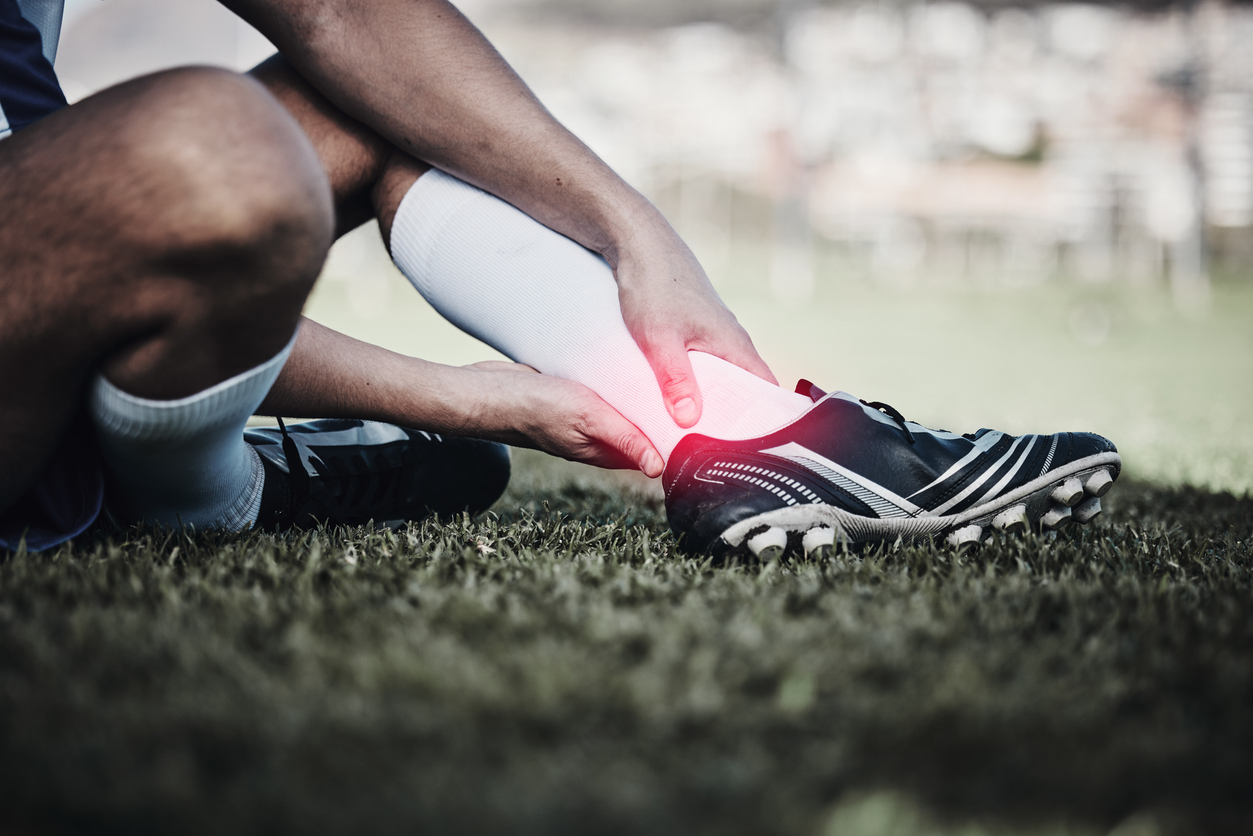
When an elite athlete goes down clutching the back of their heel, the sports world holds its breath. An Achilles tendon rupture is more than just a physical setback; it’s a headline-making event that highlights the intense physical demands of professional sports.
From the NBA court to the NFL gridiron, Achilles injuries in athletes represent one of the most challenging hurdles in sports medicine. However, thanks to modern surgical breakthroughs, what was once a “career-ender” is now a manageable recovery.
Why the Achilles Tendon is Critical for Performance
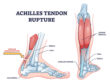
The Achilles is the largest and strongest tendon in the human body. It connects the calf muscles to the heel bone, acting as a powerful spring. For professional athletes, it is the engine behind:
-
Explosive Acceleration: The initial burst of speed needed to beat a defender.
-
Vertical Leap: The power required for jumping and rebounding.
-
Pivoting and Cutting: Stability during high-speed directional changes.
Modern Surgical Repair: The Pro Athlete Advantage
While these injuries appear devastating, surgical techniques have evolved dramatically. Today’s repair protocols focus on durability and precision:
-
Advanced Anchor Systems: Surgeons use specialized anchors to reattach the tendon securely to the heel bone (calcaneus).
-
Minimal Incisions: Modern techniques often allow for smaller incisions, which can lead to better wound healing and less scar tissue.
-
Reinforced Repair: The goal is to create a repair strong enough to handle the immense “peak loads” generated during professional competition.
The Good News: You don’t have to be a pro to get pro-level care. The same surgical principles and anchor systems used for elite players are applied to weekend warriors and recreational runners alike.
The Recovery Timeline: From Surgery to Sprinting
Recovery from an Achilles injury is a marathon, not a sprint. Success depends on a structured rehabilitation protocol tailored to the individual’s goals.
| Phase | Focus | Activities |
| Phase 1: Protection | Healing & Weight-bearing | Boot walking, protected movement |
| Phase 2: Mobility | Range of Motion | Gentle stretching, calf activation |
| Phase 3: Strength | Power Building | Resistance training, eccentric loading |
| Phase 4: Return to Sport | Plyometrics & Speed | Drills, sprinting, and game-play |
Achieving a Full Recovery
Success rates for Achilles repairs are higher than ever. With the combination of properly performed surgery and patient commitment to physical therapy, most individuals can resume their active lifestyles. In many cases, athletes return to the field stronger and more mindful of their biomechanics than before the injury.
If you are dealing with heel pain or suspect an Achilles tear, early intervention is key to a predictable path back to function.
Schedule a Consultation
If you’re experiencing heel or Achilles pain, don’t wait for it to worsen. Early diagnosis and treatment can make a significant difference in recovery.
Gregory Caronis, MD
Orthopedic Foot & Ankle Surgeon – Northern Illinois