By Gregory Caronis, MD – Orthopedic Foot & Ankle Surgeon, Fellowship-Trained
If you’ve been struggling with a stubborn “bump” on the back of your heel or sharp pain every time you lace up your shoes, you aren’t alone. Achilles tendonitis is a common condition, but when it strikes the base of your heel, it’s specifically known as insertional Achilles tendonitis.
While many cases resolve with rest, the reality is that chronic inflammation can sometimes change the structure of the tendon itself. When conservative methods stop moving the needle, modern surgical techniques offer a reliable path back to an active lifestyle.
What Makes Insertional Achilles Tendonitis Different?
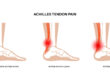
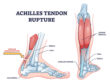
Unlike standard tendonitis that occurs in the middle of the cord, insertional Achilles tendonitis affects the point where the tendon anchors to the heel bone.
-
Calcium Deposits: Constant irritation can cause the body to create calcium deposits or bone spurs within the tendon.
-
The “Haglund’s Bump”: You may notice a hard, painful prominence on the back of the heel that rubs against footwear.
-
Persistent Discomfort: Pain is often most acute immediately after exercise or when wearing shoes with firm heel counters.
Moving Beyond Conservative Care
Most patients begin their journey with physical therapy, stretching, and anti-inflammatory medication. These are excellent first steps. However, if you have spent months in therapy without relief, it may be because the calcifications or bone spurs are physically irritating the tendon fibers, making it impossible for the inflammation to subside on its own.
Key Insight: Surgery isn’t a “last resort” to be feared; it is a proactive step to debride damaged tissue and restore the tendon’s natural function.
How Modern Surgery Fixes the Problem
Today’s surgical approach to Achilles tendonitis is streamlined and highly successful. The procedure typically involves:
-
Debridement: The surgeon removes the damaged, scarred portions of the tendon and clears away any bone spurs or calcium deposits.
-
Reattachment: Using small, high-strength surgical anchors, the healthy portion of the tendon is securely reattached to the heel bone.
-
Efficiency: This is usually an outpatient procedure, meaning you can return home the same day.
The Road to Recovery
The goal of surgery is to get you back on your feet—literally. While recovery requires patience, it is a structured and predictable process:
-
Short-term: A brief period in a protective boot to allow the reattachment to heal.
-
Mid-term: Progressive weight-bearing and specialized physical therapy to regain strength.
-
Long-term: Most patients report being pain-free within a few months, returning to running, hiking, and daily activities with renewed confidence.
Take the Next Step
Chronic heel pain shouldn’t dictate your quality of life. If Achilles tendonitis is keeping you on the sidelines, it’s time to discuss whether a surgical “reset” is the right move for you.
Schedule a Consultation
If you’re experiencing heel or Achilles pain, don’t wait for it to worsen. Early diagnosis and treatment can make a significant difference in recovery.
Gregory Caronis, MD
Orthopedic Foot & Ankle Surgeon – Northern Illinois