By Gregory Caronis, MD – Orthopedic Foot & Ankle Surgeon, Fellowship-Trained
It’s a feeling many of us know all too well: you’re walking along, maybe on a slightly uneven sidewalk or a grassy field, and suddenly—pop. Your ankle gives way, your heart sinks, and you’re left wondering if your joints have decided to stage a mutiny.
If your ankle feels less like a sturdy hinge and more like a loose Jenga tower, you’re likely dealing with ankle instability. Let’s break down why this happens and, more importantly, how to fix it.
What Exactly is Ankle Instability?
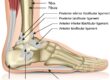
At its core, ankle instability occurs when the ligaments responsible for supporting your joint become stretched, frayed, or torn. Think of these ligaments as the “industrial-strength rubber bands” of your body. When they lose their elasticity, the joint begins to “give way.”
This is most common in people who have suffered a previous ankle sprain. If that initial injury wasn’t fully rehabilitated (and let’s be honest, many of us just “walked it off”), the ligaments remain loose. This creates a frustrating cycle: your ankle rolls, it gets weaker, and then it rolls again even easier next time.
The Warning Signs
How do you know if it’s true ankle instability or just a one-time fluke? Look for these red flags:
-
The “Wobble”: A persistent sense of looseness or wobbling while walking or standing.
-
The Fear Factor: An ongoing anxiety that your ankle will twist, especially on uneven ground.
-
Post-Activity Swelling: Tenderness or puffiness that shows up after you’ve been on your feet.
-
Chronic Tenderness: The joint feels “sore” even when you haven’t recently tripped.
Diagnosis: Beyond the “Ouch”
When you see a specialist, they aren’t just looking for where it hurts. On exam, a doctor will check for laxity—basically seeing how much “play” is in the joint compared to your healthy side. Imaging like X-rays or an MRI can further reveal the extent of ligament damage or check for early signs of cartilage wear-and-tear.
The Path to Solid Ground
The good news? You don’t have to live in fear of every stray pebble. There are two main routes to restoring your confidence.
1. The Conservative Approach (PT & Bracing)
For most people, the first line of defense is Physical Therapy. PT isn’t just about “getting stronger”; it’s about proprioception—retraining your brain and muscles to communicate so they can react instantly to stabilize the joint.
-
Balance Training: Using wobble boards to wake up stabilizing muscles.
-
Strengthening: Focusing on the muscles surrounding the ankle to take the pressure off the ligaments.
-
Bracing: Providing external support while you rebuild your internal strength.
2. When Therapy Isn’t Enough: Surgical Options
If ankle instability becomes chronic and therapy doesn’t move the needle, outpatient surgery is a highly effective “plan B.” Modern, minimally invasive procedures can tighten or reconstruct those overstretched ligaments. These procedures are designed to restore the mechanical stability of the joint, relieve chronic pain, and—crucially—protect you from developing long-term ankle arthritis.
Why It Matters
Whether you’re a high-performance athlete or just someone who wants to walk the dog without a trip to the ER, regaining stability is about more than just physical health—it’s about restoring your confidence.
Don’t let a “dodgy ankle” dictate your lifestyle. Addressing instability now is the best way to ensure you stay active and pain-free for years to come.
Schedule a Consultation
If you’re experiencing heel or Achilles pain, don’t wait for it to worsen. Early diagnosis and treatment can make a significant difference in recovery.
Gregory Caronis, MD
Orthopedic Foot & Ankle Surgeon – Northern Illinois