By Gregory Caronis, MD – Orthopedic Foot & Ankle Surgeon, Fellowship-Trained
In the world of competitive sports, your performance is only as strong as your foundation. For many athletes, that foundation has a literal “weak link”: the ankle. Whether you’re a weekend warrior or a professional, ankle instability in sports is a silent performance killer that can turn a quick pivot into a season-ending injury.
The Anatomy of the “Give Out”
High-intensity sports like basketball, soccer, volleyball, and tennis aren’t just games—they are stress tests for your ligaments. These movements require explosive power and sudden changes in direction.
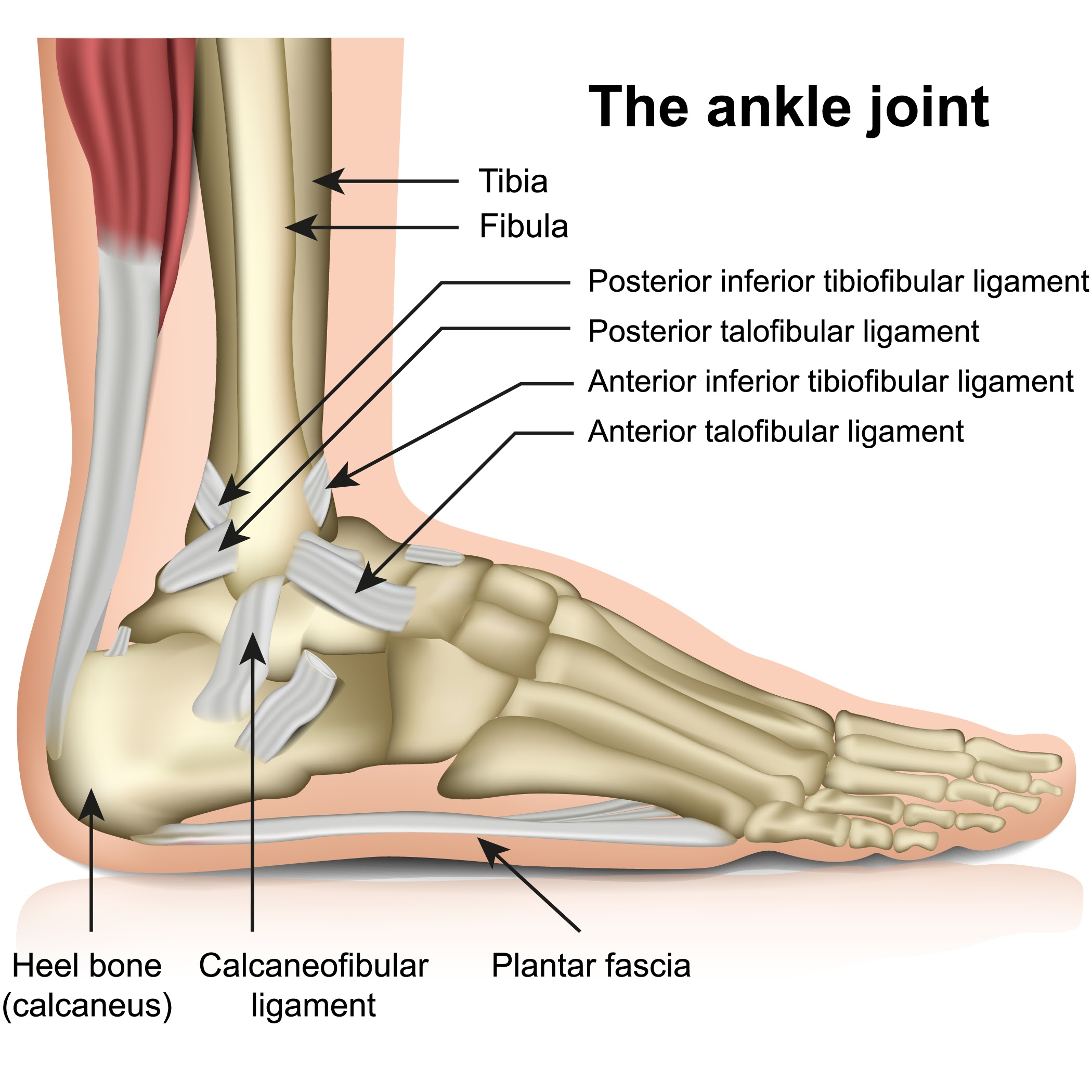
When you experience a sprain, the ligaments (most commonly the ATFL or anterior talofibular ligament) stretch or tear. Without proper healing, this leads to Chronic Lateral Ankle Instability. You might notice:
-
A persistent feeling of the ankle “giving out” during activity.
-
Chronic swelling that never quite disappears.
-
Tenderness on the outer side of the ankle.
-
A loss of “trust” in your footwork during quick cuts.
Why it matters: Ignoring that “wobble” doesn’t just limit your speed; it creates a cycle of micro-trauma. Over time, this instability leads to cartilage wear and tear, significantly increasing your risk of early-onset arthritis.
The First Line of Defense: Building Resilience
The good news is that a “weak link” can be reinforced. Before jumping to surgery, most athletes find success through a targeted conservative approach:
-
Proprioception Training: This is essentially “brain-to-muscle” training. Using balance boards and single-leg drills, you retrain your nervous system to react faster to uneven ground.
-
Peroneal Strengthening: The peroneal muscles run along the outside of your shin and act as the dynamic stabilizers of the ankle. Strengthening these provides an “internal brace.”
-
External Support: High-quality bracing or kinesiotherapy taping can provide the sensory feedback and physical support needed to get back on the court safely.
When Physical Therapy Isn’t Enough: Surgical Solutions
Sometimes, the ligaments are too damaged to tighten on their own. If you’ve exhausted conservative options and your ankle still feels like it’s on ice, modern surgery offers a path back to the game.
-
Broström Repair: The “gold standard” for athletes. The surgeon tightens the existing ligaments to restore natural tension.
-
Tendon Graft Reconstruction: For more severe or “revision” cases, a graft is used to rebuild the structural integrity of the joint.
These procedures aren’t just about “fixing” a tear; they are about restoring the confidence to jump, sprint, and pivot without fear.
Final Thoughts: Don’t Play Through the Wobble
Ankle instability in sports is common, but it isn’t something you have to live with. By addressing the weakness early—through specialized physical therapy or surgical intervention—you ensure that your “weak link” becomes your strongest asset.
Ready to get back on the field? Don’t wait for the next sprain to take action.
Schedule a Consultation
If you’re experiencing heel or Achilles pain, don’t wait for it to worsen. Early diagnosis and treatment can make a significant difference in recovery.
Gregory Caronis, MD
Orthopedic Foot & Ankle Surgeon – Northern Illinois