By Gregory Caronis, MD – Orthopedic Foot & Ankle Surgeon, Fellowship-Trained
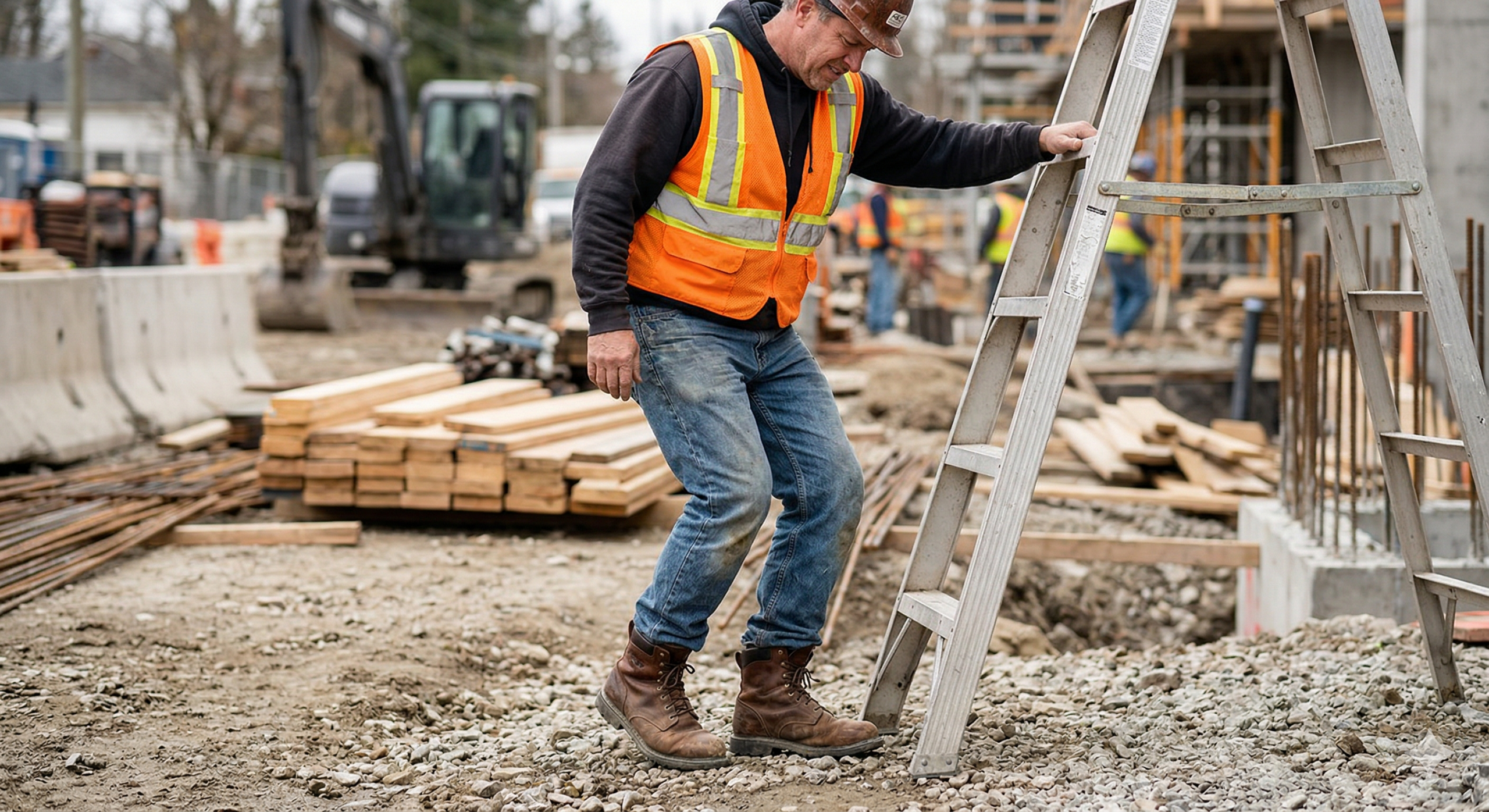
When we think of ankle injuries, we usually picture a basketball player coming down wrong after a jump or a hiker tripping over a stray root. But for many of us, the real danger zone isn’t the court or the trail—it’s the workplace.
If you’ve noticed your feet feeling less than steady by the end of a shift, you aren’t alone. Wobbly ankles are a surprisingly common occupational hazard that can quietly sideline a career if left unaddressed.
More Than Just a “Bad Step”
Ankle instability isn’t always caused by one dramatic “pop.” For many professionals, it’s the result of the daily grind. Continuous repetitive strain, navigating uneven terrain, or simply standing for 12 hours straight can wear down the structural integrity of your joints.
Who is most at risk?
-
Construction Workers: Navigating debris, ladders, and scaffolding.
-
Delivery Drivers: Constant pivoting and stepping off curbs or truck liftgates.
-
Healthcare Professionals: Long hours on hard hospital floors and moving heavy equipment.
The Warning Signs of Instability
Work-related ankle instability rarely stays quiet. It usually starts with minor annoyances that escalate into chronic issues. Keep an eye out for these “red flags”:
-
The “Giving Way” Sensation: Your ankle feels like it wants to “roll” or buckle, especially when stepping off a curb or ladder.
-
Daily Swelling: Your shoes feel tighter by the time you punch out than they did when you clocked in.
-
Tenderness: Persistent aching along the outside of the ankle joint.
-
The Feedback Loop: Each “micro-injury” weakens the ligaments further, making the next roll even more likely.
Note: Ignoring these symptoms doesn’t make the ligaments stronger; it just trains your body to compensate in ways that can lead to knee or hip pain down the line.
From Wobbly to Stable: Your Options
The good news? You don’t have to just “live with it.” Early intervention is the key to staying on the job and off the couch.
| Approach | What it Involves | Best For… |
| Conservative | Supportive work boots, custom orthotics, or bracing. | Early-stage instability and prevention. |
| Physical Therapy | Targeted exercises to strengthen the peroneal muscles and improve balance. | Restoring “proprioception” (your brain’s awareness of where your foot is). |
| Surgical Relief | Outpatient ligament reconstruction to tighten and rebuild the joint. | Chronic cases where the ankle feels “loose” despite therapy. |
The Path to Recovery
If surgery is required, modern techniques have made the process smoother than ever. These outpatient procedures focus on restoring the natural alignment of your foot.
While you’ll likely spend a few weeks in a walking boot, the rehabilitation phase is where the magic happens. Most patients return to their regular work duties within a few months, reporting an immediate boost in confidence and a total disappearance of those “wobbly” moments.
Protect Your Career
Addressing instability promptly isn’t just about comfort—it’s about protecting your long-term mobility. Don’t wait for a major fall to take your foot health seriously. Your career depends on a solid foundation.
Schedule a Consultation
If you’re experiencing heel or Achilles pain, don’t wait for it to worsen. Early diagnosis and treatment can make a significant difference in recovery.
Gregory Caronis, MD
Orthopedic Foot & Ankle Surgeon – Northern Illinois