By Gregory Caronis, MD – Orthopedic Foot & Ankle Surgeon, Fellowship-Trained
When a specialist diagnoses you with a simple ankle fracture, the primary goal involves maintaining the bone’s position. Your body performs the remarkable work of healing, but we must guide it. This non-surgical approach is known as Closed Treatment.
While “no surgery” sounds like a relief, it remains a precise medical process. Specifically, it requires careful monitoring and patient cooperation. Consequently, this ensures the ankle joint remains functional and pain-free for years to come.
What Exactly is “Closed Treatment”?
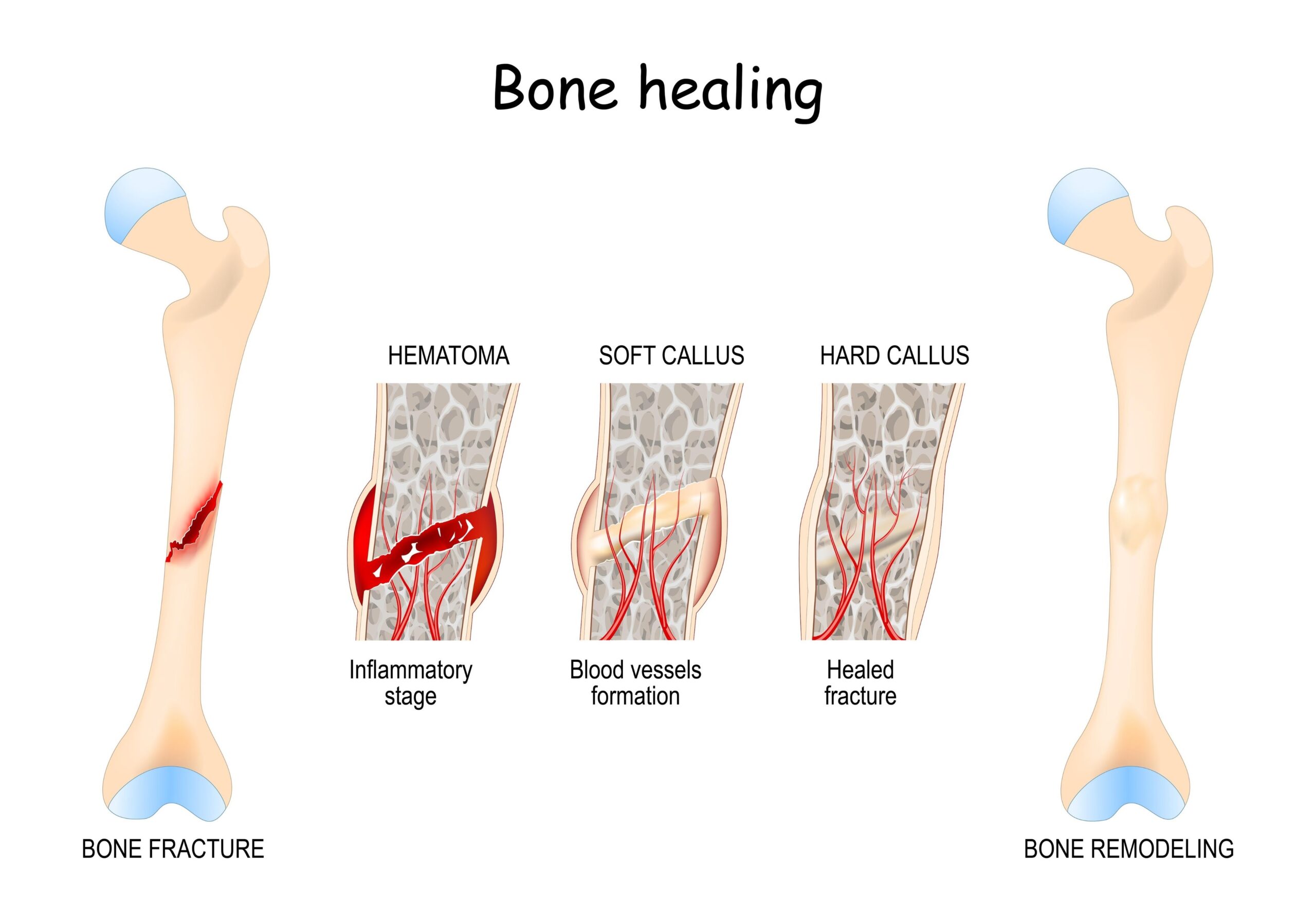
In orthopedic terms, “closed” simply means that the surgeon does not open the skin. Instead of using plates and screws to hold the bone, we rely on external support. Furthermore, we utilize the body’s natural inflammatory response to knit the fracture back together safely.
The 3 Pillars of Non-Surgical Recovery
Successful recovery from an ankle fracture depends on three critical factors. Therefore, we follow these pillars strictly:
1. Immobilization and Protection
The first priority involves keeping the broken bone fragments from moving. Depending on the severity of the break, we may use:
-
A Short-Leg Cast: We apply this when the injury requires maximum stability.
-
A Walking Boot (CAM Boot): This provides protection while allowing for easier skin inspection. Additionally, it eventually permits controlled movement.
2. Controlled Weight-Bearing
Putting weight on a healing bone requires a delicate balance. For instance, too much weight too soon can cause a stable fracture to shift. To prevent this, your doctor provides a specific timeline. You will likely start with “Non-Weight Bearing” before you gradually transition to “Weight Bearing as Tolerated.”
3. Monitoring for Stability
This step represents the most overlooked part of recovery. However, stability can change. Muscle pulls and everyday movements can cause bones to shift unexpectedly.
Key Note: We use serial X-rays every 1–2 weeks during the initial phase. By doing so, we ensure the alignment remains perfect. If the bone stays in place during the first three weeks, the chances of a successful outcome increase significantly.
What to Expect During the Timeline
-
Weeks 1–2: We focus on swelling reduction and protecting the site.
-
Weeks 3–6: The bone begins to bridge the gap during the “Soft Callus” phase.
-
Weeks 6–12: You begin strengthening exercises and return to normal footwear.
Why Choose Our Chicagoland Practice?
Treating an ankle fracture without surgery requires more than just “waiting.” In fact, it requires a proactive protocol. Because we combine advanced digital imaging with personalized physical therapy, we ensure you restore your balance fully. Ultimately, we help you return to the activities you love.
Confirm Your Healing Path
If you have an ankle fracture and want to explore non-surgical options, you need specialized monitoring. Therefore, contact us to ensure a full recovery.
Schedule a Consultation
If you’re experiencing heel or Achilles pain, don’t wait for it to worsen. Early diagnosis and treatment can make a significant difference in recovery.
Gregory Caronis, MD
Orthopedic Foot & Ankle Surgeon – Northern Illinois